By Wesley J. Smith, J.D., Special Consultant to the CBC
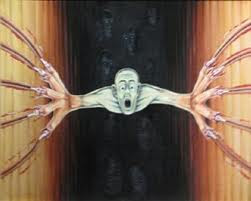 The puff biopic about Kevorkian won a Golden Globe this weekend, and The Corner asked for my reaction. I reiterated the facts about K that I have pointed out repeatedly for my entire 18 years of anti euthanasia advocacy. I won’t repeat those fully here — you can see them in the post. But I make a few points I have not made lately. From “The Disturbing Rehabilitation of Dr. Kevorkian:”
When Jack Kevorkian came to the nation’s attention in the 1990s, reporters at first depicted him — correctly — as a macabre and megalomaniacal promoter of death. But he was remade into a popular icon, becoming a pet guest on 60 Minutes, treated to uncharacteristically softball interviews by Mike Wallace and fawned over by Andy Rooney, and then declared by Time magazine to be one of the major “celebrities” of the 1990s. Time even invited him to their 75th anniversary gala as a star guest. You knew the world was spinning the wrong way when Tom Cruise rushed up to shake his hand.
Now, more than ten years later, Kevorkian is out of the pen and having a ball after serving time for the second-degree murder of Thomas Youk. It is important to understand why he was convicted: Youk had Lou Gehrig’s disease and Kevorkian lethally injected him — and videotaped the deed for posterity. The body was barely cold before he took the tape to euthanasia advocate Mike Wallace at 60 Minutes, who readily hosted a nationwide viewing. That forced the prosecutor to bring charges. Why did Kevorkian take such a risk when he had a clear path to assist all the suicides he wanted? Because assisted suicide alone couldn’t help Kevorkian reach his ultimate goal.
That goal was human vivisection — detailed in his book Prescription Medicide — which I quote in the post.
I conclude:
That a disturbed man like Jack Kevorkian can be so touted, so remade, indicates how profoundly lost we are in the fog of relativism. At this point, we must face the truth: The real problem isn’t Kevorkian: It is us.
I believe many assisted suicide supporters believe they are advocating a compassionate course. That has never been true about Kevorkian. Few things illustrate how far we have fallen than the many people who admire Jack Kevorkian.
(Painting by Jack Kevorkian, “Nearer My God to Thee.”)
UPDATE: Clueless — or indifferent — Pacino says Kevorkian represents “hope.”
Author Profile

Latest entries
 CBC RespondsFebruary 4, 2026Submission to the Women and Equalities Committee Inquiry on Egg Donation and Egg Freezing
 BlogJanuary 27, 2026The Future of Human Flourishing in Medicine
 embryo adoptionAugust 17, 2025Realities of Embryo Adoption
 Past EventsJuly 29, 2025The New “Modern Family”: Part 1